


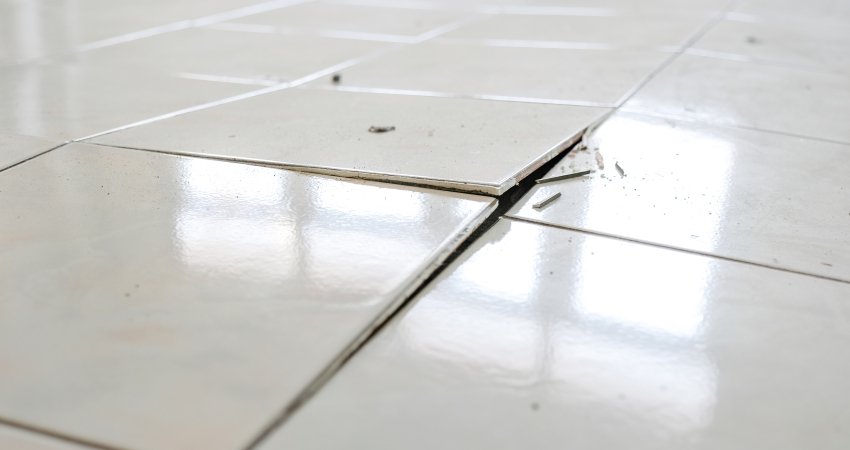
Floor tiles are designed to provide a durable, attractive, and long-lasting surface. However, some homeowners notice their newly installed tiles becoming loose, producing hollow sounds, or even cracking within a few months. These problems can occur in kitchens, bathrooms, living rooms, and other areas of the home.
Floor tiles usually become loose because of poor surface preparation, improper adhesive application, movement in the subfloor, moisture problems, or incorrect installation techniques. Understanding these causes can help homeowners prevent expensive repairs and maintain their flooring for years.
Whether you’re planning Floor Renovation Services in Orlando or professional Tile Installation in Miramar, knowing why tiles fail is essential before starting your renovation project.
Poor Subfloor Preparation
One of the most common reasons floor tiles become loose is improper subfloor preparation.
Before installing tiles, the surface must be clean, stable, properly prepared, and sufficiently flat. If the installer places tiles over dust, grease, loose debris, or an unstable surface, the adhesive may not bond correctly.
Common subfloor problems include:
- Uneven or damaged concrete surfaces.
- Dust and debris left behind during demolition.
- Cracks or movement in the existing floor.
- Weak or deteriorating flooring materials.
- Moisture conditions unsuitable for the selected installation system.
For homeowners considering Home Remodelling Services in Kendall, professional subfloor inspection is an important step before installing new flooring.
A qualified contractor evaluates the existing surface, repairs structural or substrate problems, and prepares it according to the tile manufacturer’s requirements.
Incorrect Tile Adhesive Application
Tile adhesive plays an important role in keeping floor tiles securely attached.
If the installer uses the wrong mortar, applies insufficient material, or allows the mortar to dry on the surface before placing tiles, the bond may weaken.
For example, large-format porcelain tiles require appropriate mortar selection and installation techniques to achieve sufficient coverage.
Professional installers generally follow these practices:
- Choose mortar compatible with the tile and substrate.
- Use the correct notched trowel.
- Apply mortar consistently across the surface.
- Back-butter tiles when necessary.
- Check mortar coverage during installation.
For most dry interior floor applications, industry standards generally require at least 80% mortar coverage. Wet areas typically require at least 95%, with proper support at tile edges and corners.
Proper adhesive application significantly reduces the risk of tiles loosening over time.
Moisture Problems Beneath the Tiles
Excessive moisture is another reason floor tiles may become loose after installation.
Moisture can enter through plumbing leaks, poorly waterproofed bathrooms, or concrete substrates with unsuitable moisture conditions.
Although ceramic and porcelain tiles resist water, the entire flooring system must be designed to handle moisture.
Homeowners planning a Bathroom Remodel in Hollywood should pay particular attention to waterproofing and moisture management.
In bathrooms and showers, water can penetrate grout joints and reach underlying materials. Without an appropriate waterproofing system, moisture may damage the substrate and contribute to tile failure.
Professional contractors address moisture sources before installing new flooring rather than simply covering the problem.
Movement and Cracks in the Subfloor
Buildings naturally experience minor movement due to temperature changes, structural loads, and changes in humidity.
However, excessive movement beneath tiled surfaces can damage the bond between the tile and mortar.
Common causes include:
- Cracks developing in concrete slabs.
- Deflection in wooden subfloors.
- Structural settlement.
- Expansion and contraction caused by temperature changes.
- Missing or improperly positioned movement joints.
During Shower Renovation in Orlando, contractors must consider both waterproofing and substrate stability.
Movement joints are especially important around room perimeters, changes in flooring materials, and other locations identified by installation standards.
Without sufficient movement accommodation, tiles may crack, lift, or separate from the substrate.
Installing Tiles Over Existing Flooring Incorrectly
Installing new tiles over existing flooring can sometimes reduce demolition costs. However, this method is not suitable for every project.
If the original tiles are already loose, cracked, contaminated, or poorly bonded, installing new tiles directly over them can create additional problems.
Before tile-over-tile installation, contractors should determine whether the existing surface is stable and compatible with the proposed installation materials.
Experienced Floor Remodelling Contractors in Miramar can evaluate whether the existing flooring should be removed or can safely support a new tile installation.
Walking on Tiles Before the Mortar Cures
Tile mortar needs sufficient time to develop strength.
Walking on newly installed tiles, moving heavy appliances, or placing furniture on the floor too early may disturb the bonding process.
Curing requirements vary depending on the mortar, temperature, humidity, tile size, and site conditions.
Homeowners should follow the manufacturer’s recommended waiting periods before allowing foot traffic or heavy loads.
For projects involving Kitchen Renovation in Kendall, flooring installation should be coordinated with cabinet installation, countertop work, and appliance delivery to prevent unnecessary damage.
Poor Grouting and Missing Movement Joints
Grout fills the spaces between tiles and contributes to the finished appearance of the floor. However, grout is not the material responsible for bonding tiles to the substrate.
Poorly installed grout may crack, allowing moisture and debris to enter joints.
Another common mistake is filling movement joints with rigid grout instead of an appropriate flexible sealant or movement-joint profile.
As the flooring expands or contracts, excessive pressure can cause tiles to lift or crack.
Correct joint design and installation help the flooring system accommodate normal movement.
How Can You Tell If Floor Tiles Are Becoming Loose?
Loose tiles often show warning signs before they detach completely.
Watch for the following symptoms:
- Tiles that move when stepped on.
- Cracking or crumbling grout lines.
- Tiles lifting above surrounding flooring.
- Repeated cracking in the same location.
- Unusual sounds or movement underfoot.
A hollow sound when tapping a tile can indicate a bonding concern, but it does not automatically mean the tile is loose. Further inspection is necessary.
If several tiles are affected, the underlying installation system may need professional evaluation.
How Can Loose Floor Tiles Be Repaired?
The correct repair depends on the cause and extent of the problem.
For an isolated loose tile, a contractor may remove the tile, inspect the substrate, clean the surface, and reinstall it using suitable mortar.
If multiple tiles are failing because of moisture, structural movement, or poor installation, replacing individual tiles may not solve the problem.
In such cases, a larger section of flooring may need removal and proper substrate preparation before reinstallation.
A reliable contractor should identify the underlying cause rather than simply replacing visibly damaged tiles.
How Can Homeowners Prevent Loose Tiles?
Preventing loose floor tiles begins with selecting appropriate materials and following proper installation methods.
Before hiring a contractor, homeowners should ask about subfloor preparation, mortar selection, waterproofing, movement joints, and curing requirements.
When searching for the Best Renovation Company in Hollywood, prioritise experienced contractors who explain their installation process, inspect existing conditions, and provide clear project expectations.
At HRM Florida, we understand that successful flooring projects depend on more than attractive tile designs. Proper preparation, careful installation, and attention to construction details are essential for achieving durable results.
Frequently Asked Questions
Can loose floor tiles be fixed without replacing the entire floor?
Yes. If only a few tiles are affected and the underlying substrate remains stable, individual tiles may be repaired or replaced. Widespread failures may require more extensive work.
Why do newly installed floor tiles sound hollow?
Hollow sounds can result from differences in mortar contact, substrate conditions, or other installation characteristics. A hollow sound alone does not confirm tile failure.
Can water cause floor tiles to become loose?
Yes. Water intrusion can damage moisture-sensitive substrates or affect the flooring system, potentially contributing to loose tiles.
How long should floor tiles last?
Properly installed ceramic and porcelain tile flooring can last for decades. Actual lifespan depends on installation quality, substrate stability, maintenance, and environmental conditions.
Conclusion
Loose floor tiles are often a sign of underlying installation problems rather than defective tiles. Poor subfloor preparation, incorrect mortar application, moisture intrusion, structural movement, and insufficient curing time can all contribute to flooring failure.
Whether you’re upgrading a kitchen, renovating a bathroom, or replacing outdated flooring, HRM Florida provides professional home renovation and tile installation services designed to improve the appearance, functionality, and durability of your home.
Planning a flooring renovation? Contact HRM Florida to discuss your project and explore professional tile installation solutions.
