


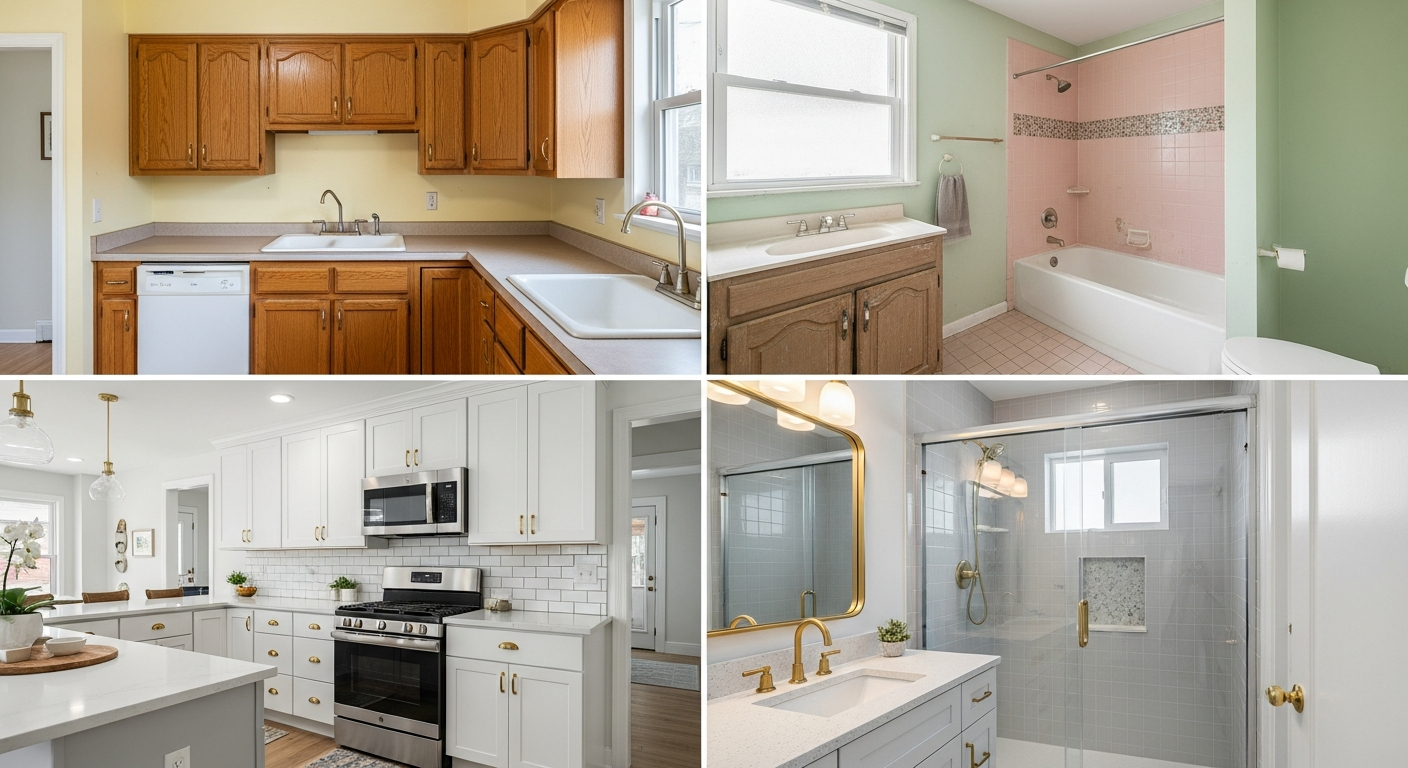
Planning a kitchen or bathroom renovation involves more than selecting cabinets, countertops, tiles, and fixtures. Homeowners must also know whether their project requires building permits before they begin construction.
Kitchen and bathroom remodelling in Miami may require building, plumbing, electrical, or mechanical permits, depending on the work involved. Simple cosmetic improvements may qualify for exemptions, while relocating plumbing, modifying electrical systems, or removing structural walls generally requires approval.
Understanding these requirements helps homeowners avoid delays, extra costs, and potential code violations.
Do You Need a Permit for Kitchen and Bathroom Remodelling in Miami?
Not every renovation requires a permit. Requirements depend on the property’s location, building type, and proposed modifications.
For Kitchen and Bathroom Remodelling in Miami, homeowners should first determine whether their property falls within the City of Miami, unincorporated Miami-Dade County, or another municipality.
Each jurisdiction administers its own permitting process.
Generally, projects involving structural modifications or changes to regulated building systems require permits. Cosmetic improvements may qualify for exemptions when specific conditions are satisfied.
Homeowners should confirm requirements with their local building department before beginning demolition or installation.
What Types of Permits Might Be Required?
Building Permits
Building permits may be necessary when renovation work changes the structure or configuration of a property.
Examples include:
- Removing or modifying structural walls
- Creating new openings
- Making structural framing changes
- Performing certain interior alterations
Professional Kitchen and Bathroom Contractors in Hialeah should identify structural modifications during project planning and clarify which permits and qualified professionals are required.
Plumbing Permits
Plumbing permits may be required when relocating sinks, toilets, showers, drains, or water supply lines.
For example, moving a kitchen sink to an island may involve installing additional supply and drainage connections.
Similarly, changing a bathtub into a walk-in shower may require plumbing modifications.
Homeowners considering Bathroom Renovation Services in Hialeah should determine whether their proposed design changes existing plumbing systems.
Simple fixture replacements may qualify for exemptions, depending on the jurisdiction and installation conditions.
Electrical Permits
Electrical permits are commonly required when renovation projects involve new circuits, relocated wiring, additional outlets, or electrical system alterations.
Kitchen improvements may include dedicated appliance circuits, upgraded lighting, or new electrical connections.
Bathroom renovations may involve exhaust fans, lighting changes, and outlets requiring appropriate electrical protection.
Electrical work should be evaluated by properly qualified professionals to ensure compliance with applicable safety requirements.
Mechanical Permits
Mechanical permits may be necessary when installing, relocating, or significantly modifying ventilation equipment.
Kitchen exhaust systems and bathroom ventilation arrangements may require review depending on the work performed.
Homeowners should confirm whether their proposed ventilation changes require mechanical approval.
Do Cabinet and Countertop Replacements Require Permits?
Not necessarily.
The City of Miami generally exempts cabinet and countertop replacement in qualifying single-family homes and duplexes when the work does not modify plumbing, electrical wiring, or load-bearing walls.
Miami-Dade County also identifies same-configuration cabinet and vanity replacement as work that may not require a building permit.
For Cabinet Installation in Miami, homeowners should distinguish straightforward replacement from projects involving additional construction.
Similarly, Countertop Installation in Miami may qualify for an exemption when existing support and building systems remain unchanged.
However, installing an island with new plumbing or electrical connections can introduce separate permit requirements.
Do Bathroom Tile and Shower Renovations Require Permits?
Bathroom permitting depends on whether the work involves surface finishes, plumbing modifications, structural changes, or waterproofing-related construction.
Replacing decorative finishes may be treated differently from rebuilding a shower enclosure.
For example, replacing existing bathroom tiles without changing regulated systems may qualify for an exemption.
However, relocating a shower drain, changing plumbing connections, or modifying structural components can require permits.
Homeowners should also verify inspection requirements before covering plumbing connections or concealed construction work.
Proper waterproofing remains essential even when a particular activity is permit-exempt.
Are There Special Permit Rules for Miami Condominiums?
Yes. Condominium renovations often involve additional considerations.
Unlike qualifying single-family homes, condominium units may be subject to different permit exemptions and building requirements.
Condominium associations may also require renovation applications, contractor documentation, insurance certificates, and approved working hours.
Flooring changes can involve sound-control requirements intended to reduce noise transmission between units.
Homeowners should obtain necessary association approvals and confirm municipal requirements before scheduling construction.
Association approval does not replace government permits when those permits are required.
What Changed About Florida Permit Exemptions in 2026?
Effective July 1, 2026, Florida introduced additional exemptions for certain minor residential improvements.
Qualifying projects valued below $7,500 may be eligible for a building permit exemption when specific conditions are met.
However, the exemption does not cover electrical, plumbing, structural, mechanical, or gas work.
Properties within designated flood hazard areas are excluded, and qualifying owners or contractors must follow the applicable exemption request process.
Condominium units do not qualify for this particular exemption.
Homeowners cannot divide larger projects into smaller contracts simply to avoid permit requirements.
How Do Homeowners Apply for Renovation Permits?
The application process varies by municipality and renovation scope.
Generally, homeowners or authorised contractors should:
- Identify the correct building department.
- Prepare a detailed description of the renovation.
- Obtain drawings or plans when required.
- Submit permit applications and supporting documents.
- Pay applicable fees.
- Obtain approval before beginning permitted work.
- Schedule required inspections during construction.
- Complete final inspections and close permits.
Professional Kitchen Renovation Services in Orlando and Home Renovation Services in Orlando involve separate local permitting authorities, so Miami requirements should not automatically be applied to Orlando projects.
What Happens If You Remodel Without Required Permits?
Completing regulated renovation work without necessary permits can create complications.
Possible consequences include:
- Stop-work orders
- Additional inspection expenses
- Required corrections or reconstruction
- Problems during property transactions
- Delays in completing renovation work
Unpermitted construction may also create safety concerns when electrical, plumbing, or structural work has not received appropriate review.
Obtaining required approvals before construction helps reduce these risks.
How Should You Choose a Renovation Contractor?
Choosing an experienced renovation contractor can make project planning more manageable.
When searching for the Best Renovation Company in Hialeah, homeowners should compare relevant project experience, licensing, insurance, written estimates, and communication practices.
Ask contractors to explain which activities require permits, who will apply for them, and how inspections will be coordinated.
Permit responsibilities should be clearly documented in the renovation agreement.
Frequently Asked Questions
Can I replace kitchen cabinets without a permit?
Often, yes, when replacement qualifies for a local exemption and does not involve regulated system modifications.
Do I need a permit to move my kitchen sink?
Generally, relocating plumbing connections requires appropriate permitting.
Does replacing bathroom flooring require approval?
It depends on the property type, jurisdiction, and whether the project involves structural or other regulated modifications.
Who is responsible for obtaining renovation permits?
Responsibilities depend on applicable regulations and contractual arrangements. Homeowners should confirm them before work begins.
Conclusion
Kitchen and bathroom renovation permits depend on the work involved, property classification, and local building regulations.
While cosmetic upgrades may qualify for exemptions, structural changes and alterations to plumbing, electrical, or mechanical systems commonly require approval.
HRM Florida provides kitchen remodelling, bathroom renovation, cabinet installation, countertop installation, and flooring services.
Before beginning any renovation, homeowners should confirm applicable permit requirements, establish responsibilities, and plan inspections to support a safer, smoother project.
