


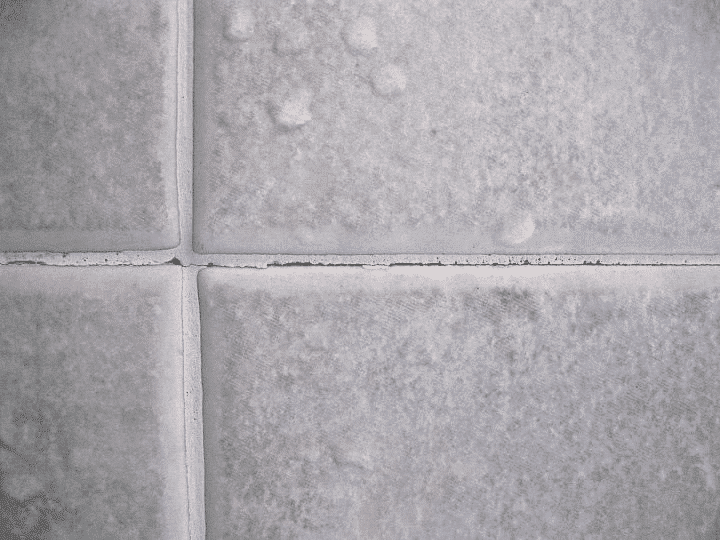
New tile flooring should provide a durable, attractive surface that lasts for years. However, homeowners sometimes notice cracks developing in grout lines shortly after installation. These cracks can appear between floor tiles, around shower walls, or near kitchen backsplashes. Although cracked grout may seem like a minor cosmetic issue, it can indicate underlying installation problems.
For homeowners considering Tile Installation in Kendall, understanding why grout cracks occur is essential for protecting their investment. Proper surface preparation, suitable materials, and professional installation techniques help prevent premature grout failure.
Why Do Grout Lines Crack After Tile Installation?
Grout lines typically crack because of movement, improper installation, inadequate surface preparation, or unsuitable materials. Grout fills spaces between tiles but cannot compensate for excessive movement beneath them.
Common causes include:
- Subfloor movement: Flexible or unstable surfaces place stress on grout joints.
- Improper grout mixing: Excessive water weakens the finished grout.
- Insufficient curing: Premature exposure to traffic or moisture affects strength.
- Missing movement joints: Temperature changes and structural movement create pressure.
- Poor tile adhesion: Loose tiles move independently and damage surrounding grout.
Professional contractors offering Floor Renovation Services in Miami evaluate these conditions before recommending repairs or replacement.
Subfloor Movement and Structural Instability
One major reason grout cracks is movement beneath the installed tiles.
Tile installations require a sufficiently stable substrate. When wooden subfloors flex or concrete slabs develop movement, stress transfers through the tile assembly.
Over time, this pressure can cause grout to crack or separate from tile edges.
Before installation, contractors should inspect the substrate for damage, excessive deflection, cracks, and uneven surfaces.
Experienced providers of Home Remodelling Services in Hialeah understand that correcting underlying structural problems is more effective than repeatedly replacing damaged grout.
Incorrect Grout Mixing and Application
Grout must be prepared according to manufacturer instructions.
Adding excessive water can weaken cement-based grout and increase shrinkage during curing. Inconsistent mixing may also produce uneven strength throughout the installation.
Other application mistakes include:
- Failing to pack grout completely into joints.
- Adding water after the mixture begins setting.
- Using excessive water during sponge cleaning.
- Applying grout outside recommended temperature conditions.
Professional installers use appropriate mixing ratios and application techniques to achieve durable, consistent joints.
Missing Expansion and Movement Joints
Tiles expand and contract slightly as temperatures and environmental conditions change.
Without appropriate movement joints, stress can accumulate across the tiled surface.
Movement accommodation is especially important around room perimeters, changes in plane, and other locations specified by installation standards.
For homeowners planning a Kitchen Remodel in Orlando, movement joints should be considered when installing large tile floors or backsplashes.
Flexible sealants are generally used at designated movement joints instead of rigid grout, following applicable industry guidance.
Installing Tiles Over an Improperly Prepared Surface
Surface preparation directly affects grout durability.
Dust, loose materials, moisture problems, and unstable substrates can interfere with tile adhesion.
When tiles are not securely bonded, slight movement during everyday use can cause grout lines to deteriorate.
Before installation, contractors should verify that surfaces are clean, structurally suitable, and properly prepared.
In bathroom projects, Bathroom Remodelling Services in Kendall may involve waterproofing systems, approved backer boards, and substrate preparation before tile installation.
These steps help create a stable foundation for the finished surface.
Insufficient Grout Curing Time
Grout requires adequate curing or setting time to develop its intended performance.
Walking on freshly grouted floors, cleaning them too early, or exposing shower grout to water prematurely can interfere with the process.
Curing requirements vary depending on whether cementitious, epoxy, or other specialty grout products are used.
Homeowners should follow the manufacturer’s instructions before resuming normal use.
During a Shower Renovation in Hialeah, contractors must coordinate waterproofing, tile setting, grouting, and curing schedules to avoid premature exposure.
Incorrect Grout Selection
Different tile installations require different grout products.
Traditional cement-based grout, high-performance cementitious grout, and epoxy grout offer different characteristics.
The correct choice depends on joint width, tile material, exposure conditions, and manufacturer recommendations.
Using grout outside its intended application can contribute to premature deterioration.
For example, wet areas require grout suitable for the installation environment, but grout itself should not be considered a substitute for waterproofing.
Selecting compatible materials helps improve installation performance.
Movement Around Cabinets and Countertops
Kitchen renovations frequently involve multiple materials connected to tiled surfaces.
Cabinets, countertops, walls, and flooring may experience different amounts of movement.
During Cabinet Installation in Miami, installers should avoid placing unnecessary stress on adjacent tile assemblies.
Similarly, Countertop Installation in Hialeah requires careful attention to transitions between countertops and tiled backsplashes.
Where movement is expected, an appropriate flexible sealant is often preferable to rigid grout.
Proper coordination between trades reduces the likelihood of cracked joints.
How Can Homeowners Prevent Grout Cracking?
Preventing grout damage begins before the first tile is installed.
Professional Floor Remodelling Contractors in Miami should evaluate substrate conditions, select compatible installation materials, and follow established installation practices.
Important preventive measures include:
- Inspecting the subfloor for movement and damage.
- Repairing unsuitable or unstable surfaces.
- Using appropriate tile-setting materials.
- Installing required movement joints.
- Mixing grout according to manufacturer instructions.
- Allowing sufficient curing time.
- Using suitable flexible sealants at movement locations.
Regular maintenance and prompt attention to loose tiles can also help prevent minor problems from becoming extensive repairs.
Can Cracked Grout Be Repaired Without Replacing Tiles?
Yes, minor grout cracks can sometimes be repaired without removing surrounding tiles.
However, the underlying cause must be identified first.
If tiles remain firmly bonded and the substrate is stable, damaged grout may be removed and replaced.
If tiles sound hollow, shift under pressure, or repeatedly develop cracks, additional investigation may be necessary.
Simply applying new grout over existing cracks usually provides only a temporary cosmetic improvement when movement remains unresolved.
Frequently Asked Questions
Is cracked grout normal after new tile installation?
Minor shrinkage-related defects can occur, but noticeable cracking shortly after installation should be investigated rather than automatically considered normal.
Can cracked grout cause water damage?
Yes. Cracks can allow water to enter the tile assembly. Properly constructed wet areas rely on waterproofing beneath the tile, not grout alone.
Does sealing grout prevent cracking?
No. Grout sealers may help reduce staining and moisture absorption, but they cannot prevent cracking caused by structural movement.
Should homeowners replace cracked grout immediately?
Homeowners should first determine whether the damage involves isolated grout failure, loose tiles, or underlying substrate movement.
Conclusion
Cracked grout lines often indicate movement, improper preparation, unsuitable materials, or installation mistakes. Identifying the actual cause is essential for achieving lasting repairs.
HRM Florida provides tile installation and renovation services, helping homeowners improve flooring, kitchens, and bathrooms through careful preparation and professional installation. A properly installed tile system can deliver durable performance, easier maintenance, and an attractive finish for years.
