


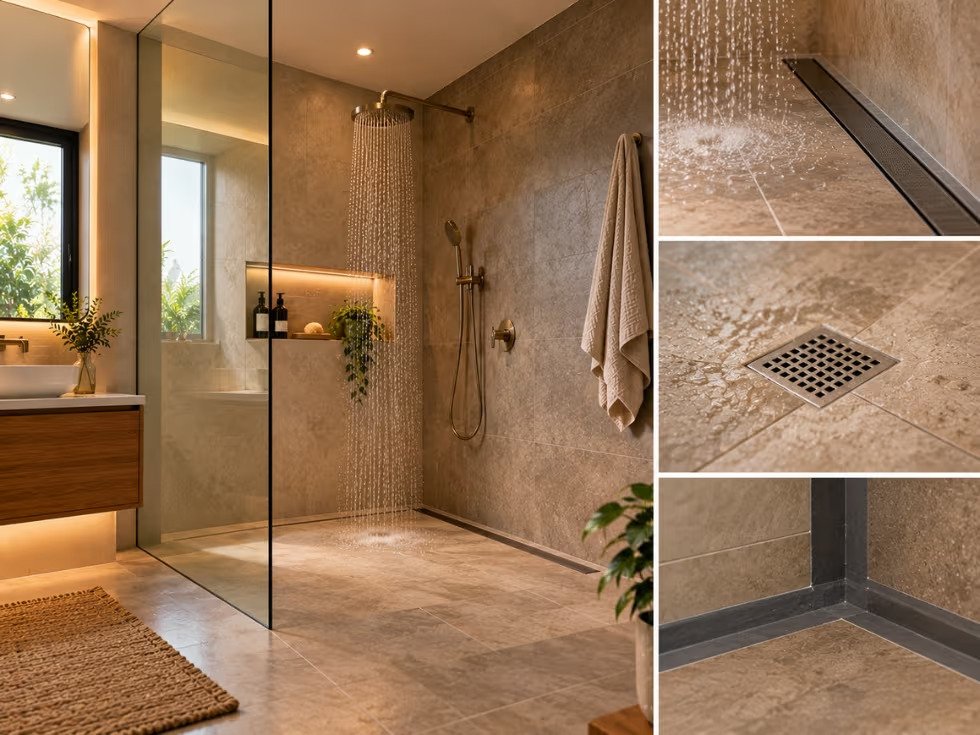
Before installing a new walk-in shower, the shower floor, walls, corners, joints, drain connections, curb, niches, benches, and plumbing penetrations must be properly waterproofed. These areas are constantly exposed to moisture and can develop hidden leaks if they are not protected. In Florida, where humidity and moisture are common concerns, a continuous waterproofing system helps prevent mold, structural deterioration, and expensive repairs.
Professional Bathroom Renovation Services in Miami should include waterproofing preparation, compatible materials, and appropriate testing before tiles are installed.
Why Is Waterproofing Important for Walk-In Showers?
Walk-in showers offer accessibility, modern aesthetics, and efficient bathroom layouts. However, their open designs require careful water management.
Unlike traditional bathtubs, walk-in showers depend on correctly sloped floors, sealed transitions, and properly installed drainage systems.
Water can penetrate grout joints and reach underlying materials. Without an effective waterproofing barrier, moisture may damage drywall, wooden framing, flooring, and surrounding rooms.
Experienced Bathroom Remodelling Contractors in Hialeah understand that waterproofing is not simply applying sealant around tiles. It involves creating a continuous protective system beneath the finished surfaces.
Proper waterproofing provides several benefits:
- Reduces the risk of hidden water damage.
- Protects surrounding walls and flooring.
- Helps prevent moisture-related mold growth.
- Improves the durability of shower installations.
- Reduces future maintenance and repair expenses.
Waterproof the Entire Shower Floor
The shower floor receives constant water exposure and requires a complete waterproofing system.
Before installing tiles, contractors must inspect the subfloor for damage, movement, and uneven surfaces.
The shower base should slope toward the drain, generally at approximately one-quarter inch per foot, subject to the approved shower system and applicable code requirements.
Waterproofing membranes must connect correctly with the drain assembly to prevent moisture from escaping beneath the shower.
For homeowners considering Shower Renovation Services in Kendall, professional floor preparation is particularly important when converting traditional bathtubs into walk-in showers.
Improper drainage can cause standing water, unpleasant odors, and premature deterioration.
Waterproof Shower Walls and Backer Boards
Shower walls require protection because water regularly contacts their surfaces during bathing.
Cement backer boards and other approved tile substrates provide suitable foundations, but many are not waterproof independently.
Contractors typically use compatible sheet membranes or liquid-applied waterproofing systems to protect the wall assembly.
Waterproofing should extend throughout the shower’s required wet areas, including locations surrounding showerheads and other water outlets.
In bathrooms undergoing Floor renovation Services in Miramar, contractors should also inspect transitions between shower walls, bathroom flooring, and nearby structural components.
These connections are important because moisture can travel beyond the shower enclosure.
Seal Corners, Joints, and Wall Transitions
Corners and joints are vulnerable because different surfaces meet and may experience movement.
Important locations include:
- Wall-to-wall corners.
- Wall-to-floor connections.
- Shower curb transitions.
- Backer board seams.
- Changes between different construction materials.
Contractors should reinforce these areas using approved waterproofing tapes, membranes, or system-specific accessories.
Homeowners arranging Tile Installation in Pembroke Pines should verify that waterproofing work is completed before decorative tiles are installed.
Grout and tile alone cannot replace a properly designed waterproofing system.
Waterproof Shower Niches and Built-In Benches
Shower niches and benches create convenient storage and seating, but they introduce additional corners and horizontal surfaces.
Every niche requires waterproofing across its back, sides, corners, and bottom.
Horizontal surfaces should slope slightly toward the shower interior so water does not accumulate.
Built-in benches also need continuous waterproofing across their tops, sides, and connections with surrounding walls.
Poorly protected niches and benches can allow moisture to penetrate concealed framing.
During complete bathroom renovations, homeowners may also consider matching vanities through Cabinet Installation in Aventura, creating coordinated storage and design throughout the space.
Protect Plumbing Penetrations and Drain Connections
Showerheads, faucets, mixing valves, and drain assemblies create openings through waterproofed surfaces.
These penetrations must be sealed using components compatible with the selected waterproofing system.
Contractors should pay particular attention to valve openings, pipe connections, and drain flanges.
A poorly sealed penetration may allow water behind the finished tile surface.
Homeowners combining shower upgrades with Countertop Installation in Miami should coordinate plumbing and finishing work carefully to prevent damage to completed bathroom surfaces.
Waterproof Shower Curbs and Curbless Entrances
Traditional walk-in showers often include a curb that prevents water from spreading across the bathroom.
The curb must be waterproofed continuously across its top, inside, outside, and adjoining transitions.
Curbless showers require additional planning because there is no raised barrier separating the shower from surrounding flooring.
Depending on the design and approved system, waterproofing may need to extend beyond the immediate shower area.
Professional Home Renovation Services in Hialeah can help homeowners evaluate drainage placement, floor elevations, accessibility, and surrounding materials before construction begins.
Test Waterproofing Before Installing Tiles
Waterproofing should be inspected before contractors begin installing tiles.
Where required, a flood test verifies whether the shower receptor retains water without visible leakage.
Testing procedures and waiting periods depend on the waterproofing system, manufacturer instructions, and local inspection requirements.
Contractors should also inspect membrane coverage, seams, penetrations, and drain connections.
Homeowners searching for Best Renovation Services in Orlando should ask contractors about waterproofing materials, inspection procedures, and installation warranties before approving shower construction.
Florida-Specific Waterproofing Considerations
Florida bathrooms face additional challenges associated with humidity, frequent shower use, and moisture-sensitive building materials.
Homeowners should prioritize effective ventilation, moisture-resistant construction materials, and properly designed drainage.
Condominium renovations may involve additional association requirements, building inspections, and restrictions concerning plumbing modifications.
Waterproofing requirements should always be confirmed against applicable Florida building codes, local regulations, and manufacturer specifications.
Frequently Asked Questions
Is shower tile waterproof?
No. Tiles resist water, but grout joints and other connections can allow moisture penetration. A dedicated waterproofing system protects the underlying structure.
Do shower walls need waterproofing behind tiles?
Yes. Shower walls need an approved water-management assembly, which may include a surface waterproofing membrane or another compliant system.
Can waterproofing be applied over existing shower tiles?
Certain products permit specialized applications, but surface coatings do not automatically repair concealed waterproofing failures. Existing conditions require professional evaluation.
How long does shower waterproofing take?
Installation and curing times vary by product, surface conditions, and project complexity. Testing and inspections may require additional time.
Should curbless showers have waterproofing outside the shower?
Often, yes. Waterproofing beyond the shower entrance may be necessary to manage splashing and protect adjoining floors.
Conclusion
Successful walk-in shower installation begins beneath the visible tiles. Properly waterproofed floors, walls, corners, niches, benches, curbs, and plumbing penetrations help protect bathrooms against costly moisture damage.
HRM Florida provides bathroom remodeling, shower renovation, tile installation, and home improvement services. Our team helps Florida homeowners plan practical renovations with attention to installation quality, functionality, and long-term durability.
Contact HRM Florida to discuss your walk-in shower renovation and create a bathroom designed for everyday comfort.
